_edited_edited.png)
Yoga Nidra for Sleep: How Deep Rest Can Support Better Sleep

Sleep is something many of us take for granted until we begin to struggle with it.
Whether it involves difficulty falling asleep, waking throughout the night, racing thoughts, stress, anxiety, or simply feeling exhausted despite spending enough time in bed, poor sleep can have a significant impact on our health, wellbeing, mood, energy levels, and overall quality of life.
In recent years, more people have begun exploring holistic approaches to support better sleep, and one practice that continues to grow in popularity is Yoga Nidra.
Often translated as "yogic sleep," Yoga Nidra is a guided meditation practice that invites the body into deep relaxation while the mind remains gently aware. Although it is not a substitute for sleep itself, many people find that regular Yoga Nidra practice helps them feel more rested, supports nervous system regulation, and creates the conditions for deeper and more restorative sleep.

What Is Yoga Nidra?
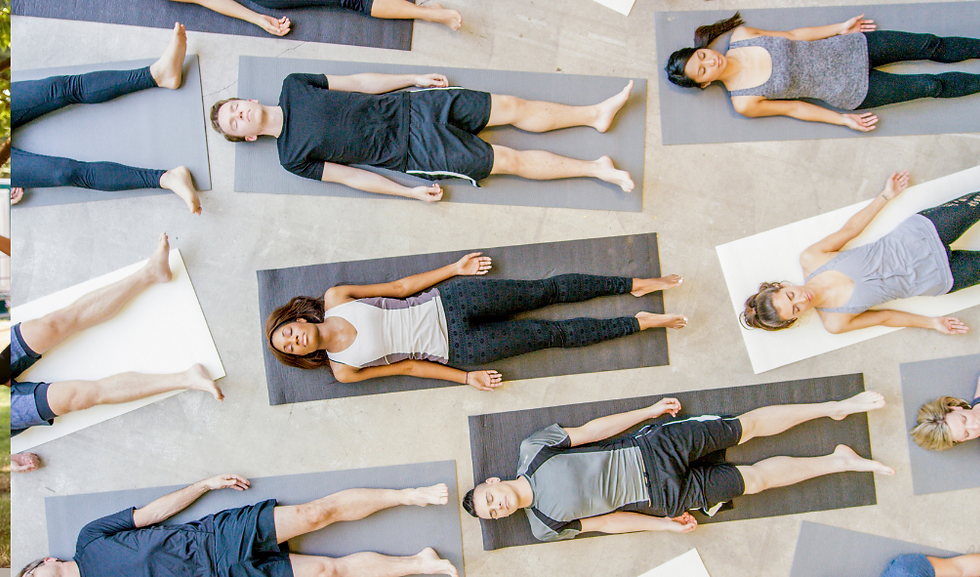
Yoga Nidra is a guided meditation practice traditionally performed while lying comfortably on your back.
During a Yoga Nidra session, you are guided through a series of awareness-based techniques which may include body scanning, breath awareness, visualisation, sensory exploration, and deep relaxation practices.
Unlike traditional meditation, where practitioners often sit upright and maintain focused attention, Yoga Nidra encourages complete physical relaxation. Many people describe the experience as existing somewhere between wakefulness and sleep.
While it may appear that very little is happening externally, the body and nervous system can undergo profound shifts during the practice.

The Connection Between Stress and Sleep
One of the most common reasons people struggle with sleep is stress.
When we experience ongoing stress, the body activates the sympathetic nervous system, often referred to as the "fight or flight" response. Heart rate increases, muscles tighten, stress hormones rise, and the mind becomes more alert.
While this response is incredibly useful in situations of danger, it becomes problematic when it remains activated long after the stressful situation has passed.
Many people find themselves lying awake at night replaying conversations, worrying about the future, planning tomorrow's tasks, or feeling unable to switch off mentally.
Yoga Nidra may help interrupt this cycle by encouraging activation of the parasympathetic nervous system, often known as the "rest and digest" response.
When the parasympathetic nervous system becomes more active, heart rate slows, breathing deepens, muscle tension reduces, and the body shifts into a state that is more supportive of rest and recovery.

Why Yoga Nidra Can Feel So Restorative
One of the unique aspects of Yoga Nidra is that it encourages complete physical stillness while guiding awareness through various experiences.
This combination can create a deep sense of relaxation that many people rarely experience during everyday life.
Modern lifestyles often involve constant stimulation. Emails, social media, work responsibilities, family commitments, news updates, and endless notifications can leave the nervous system in a near-constant state of activation.
Yoga Nidra offers an opportunity to intentionally step away from this stimulation and allow the body and mind to rest.
Many people report feeling refreshed after a session, even if they have not fallen asleep.
Some practitioners even describe a 20- to 30-minute Yoga Nidra practice as feeling equivalent to several hours of rest.

Yoga Nidra for Overthinking and Anxiety
Many sleep difficulties are not caused by physical discomfort alone but by an active and busy mind.
The moment the head touches the pillow can become the first quiet moment of the day, and suddenly every unfinished task, worry, concern, or responsibility demands attention.
Yoga Nidra provides a structured process that gently redirects awareness away from repetitive thought patterns and toward present-moment experience.
Rather than trying to force the mind to stop thinking, Yoga Nidra encourages observation, acceptance, and gradual relaxation.
For many people, this creates a sense of spaciousness and calm that supports both relaxation and sleep.

How to Use Yoga Nidra to Support Sleep
If you would like to incorporate Yoga Nidra into your evening routine, consistency is often more important than duration.
You might consider:
Practising 20 to 30 minutes before bed.
Creating a quiet and comfortable environment.
Reducing screen exposure before your session.
Using blankets and supports to remain comfortable.
Allowing yourself to simply listen without trying to "do it perfectly."
Practising regularly, even on nights when sleep is not a challenge.
Some people prefer to use Yoga Nidra as part of their bedtime routine, while others find it beneficial during the day when they feel stressed, overwhelmed, or fatigued.
There is no single right approach. The most important factor is finding a rhythm that works for you.

An Invitation to Rest
Rest is a fundamental human need and Yoga Nidra offers a simple and accessible way to slow down, reconnect with the body, calm the nervous system, and create space for deep restoration.
Many people find that it becomes a valuable tool for supporting better sleep, reducing stress, and cultivating a greater sense of wellbeing.
Sometimes the most powerful thing we can do is simply allow ourselves permission to rest.
And perhaps that is one of the greatest gifts Yoga Nidra has to offer.
Experience Yoga Nidra for Yourself
If you would like to explore Yoga Nidra for relaxation, stress reduction, and better sleep, I invite you to join me for this free guided practice on YouTube:
This gentle practice is designed to help settle a busy mind, calm the nervous system, and support a greater sense of ease and rest.

Interested in Learning to Teach Yoga Nidra?
If you would like to deepen your understanding of Yoga Nidra or learn how to confidently share this powerful practice with others, my 50-Hour Yoga Nidra Teacher Training is available online and self-paced.
The training explores the foundations, philosophy, science, and practical application of Yoga Nidra, including script writing, class structure, trauma-aware teaching considerations, relaxation techniques, and professional teaching skills. The course is accredited for Yoga Alliance Continuing Education (YACEP) hours and includes a certificate upon completion.
Learn more about the training here:
Whether you are a yoga teacher, meditation teacher, wellness professional, caregiver, or simply someone who wishes to deepen their own practice, Yoga Nidra offers a valuable pathway into rest, self-awareness, and nervous system restoration.


Comments